US B1/B2 Visa from Ghana — Embassy Accra Interview Guide
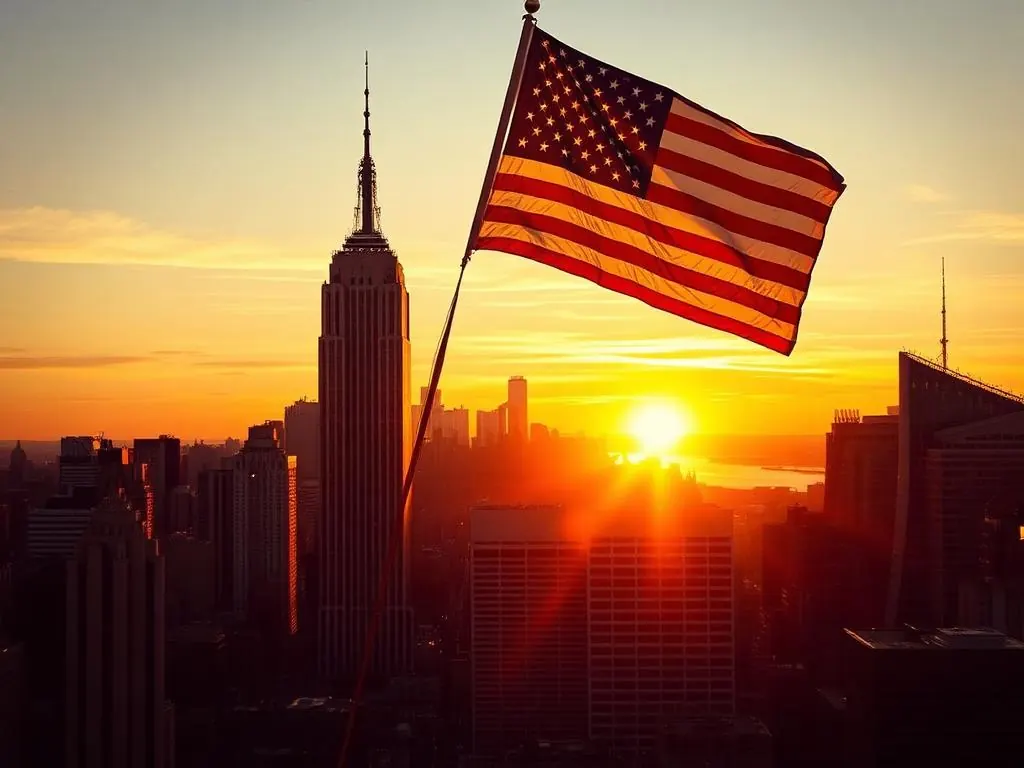
A practical, Ghana-focused guide to the US B1/B2 visitor visa — from completing the DS-160 to acing the consular interview at the US Embassy in Accra.
Read the full article →Key things to know
- Most refusals fall under section 214(b) — failure to demonstrate ties to Ghana.
- Interviews typically last under 3 minutes — preparation is everything.
- Always declare past visa refusals; embassies share data globally.
Documents you'll need
- Valid passport + any old passports
- DS-160 confirmation page with barcode
- Appointment confirmation and MRV fee receipt
- One 5×5 cm photo on white background
- Bank statements (6 months), payslips, employment letter
- Property documents, business registration, or school enrolment
- Invitation letter and proof of host's status (if visiting family)
How to apply, step by step
- 1
Complete the DS-160 form
Fill out the DS-160 on the US State Department site. Save the confirmation page with the barcode.
- 2
Pay the MRV fee and book your interview
Pay through the GTBank channel listed on the US Travel Docs Ghana site, then schedule your interview at US Embassy Accra.
- 3
Attend the interview
Dress smart-casual, answer concisely, and demonstrate strong ties to Ghana — job, family, property, business.
- 4
Collect your passport
Approved passports are returned via DHL to your chosen pickup location in Accra, Kumasi or Takoradi.
Official sources & authority links
Always verify fees and requirements on official government and embassy websites before applying.
Last verified: November 2025 by our editorial team. See our editorial policy for how we research and fact-check every guide.
Frequently asked questions
How much is the US visa fee from Ghana?+
The MRV fee for B1/B2 visitor visas is US$185, payable through the channels listed on ustraveldocs.com/gh.
How long is the US visa interview wait time in Accra?+
Wait times fluctuate. Check the live wait time on travel.state.gov before booking — currently typically 1–4 months.
What if my visa is refused under 214(b)?+
You may reapply at any time, but only if your circumstances have meaningfully changed (new job, new financials, completed studies).
Read the full United States guide with sample answers, refusal-avoidance tactics, and our latest field notes.
Read the full article →See also on the blog
Hand-picked reading to strengthen your United States application.
- →USA · 15 min readUS Visa Interview Questions & Suggested Answers — Accra Embassy (2026)
- →General · 16 min readCheapest, Easiest & Visa-Free Countries for Ghana Passport Holders in 2026 (Full List)
- →General · 7 min read10 Visa Mistakes Ghanaians Make — How to Avoid Them
- Browse every visa guide we've published→